October 29, 2026
Promotional merchandise remains a valuable marketing tool because it connects businesses with customers through practical, memorable items. From branded apparel and reusable bags to drinkware and technology accessories, these products keep a company's identity visible beyond a single advertisement or online interaction. When thoughtfully selected, they can strengthen brand recognition, encourage customer loyalty, and support long-term marketing goals. Their effectiveness depends on product quality, audience preferences, distribution methods, and how well each item represents the business. By combining creativity with measurable objectives, companies can turn everyday merchandise into meaningful opportunities for building stronger customer relationships.
Understanding the Appeal of Promotional Products
Custom promotional products offer a tangible way for businesses to engage audiences. Unlike digital advertisements that disappear when users scroll away, physical merchandise can remain useful for months or years. Items such as pens, mugs, and tote bags provide repeated brand exposure while serving practical purposes. Their usefulness encourages recipients to keep and reuse them, increasing opportunities for recognition.
These products can also create positive emotional associations. Receiving a thoughtful, high-quality item may help customers feel appreciated, strengthening their connection with the business. Companies can further improve relevance by choosing merchandise that reflects their audience's interests, professional needs, or everyday routines.
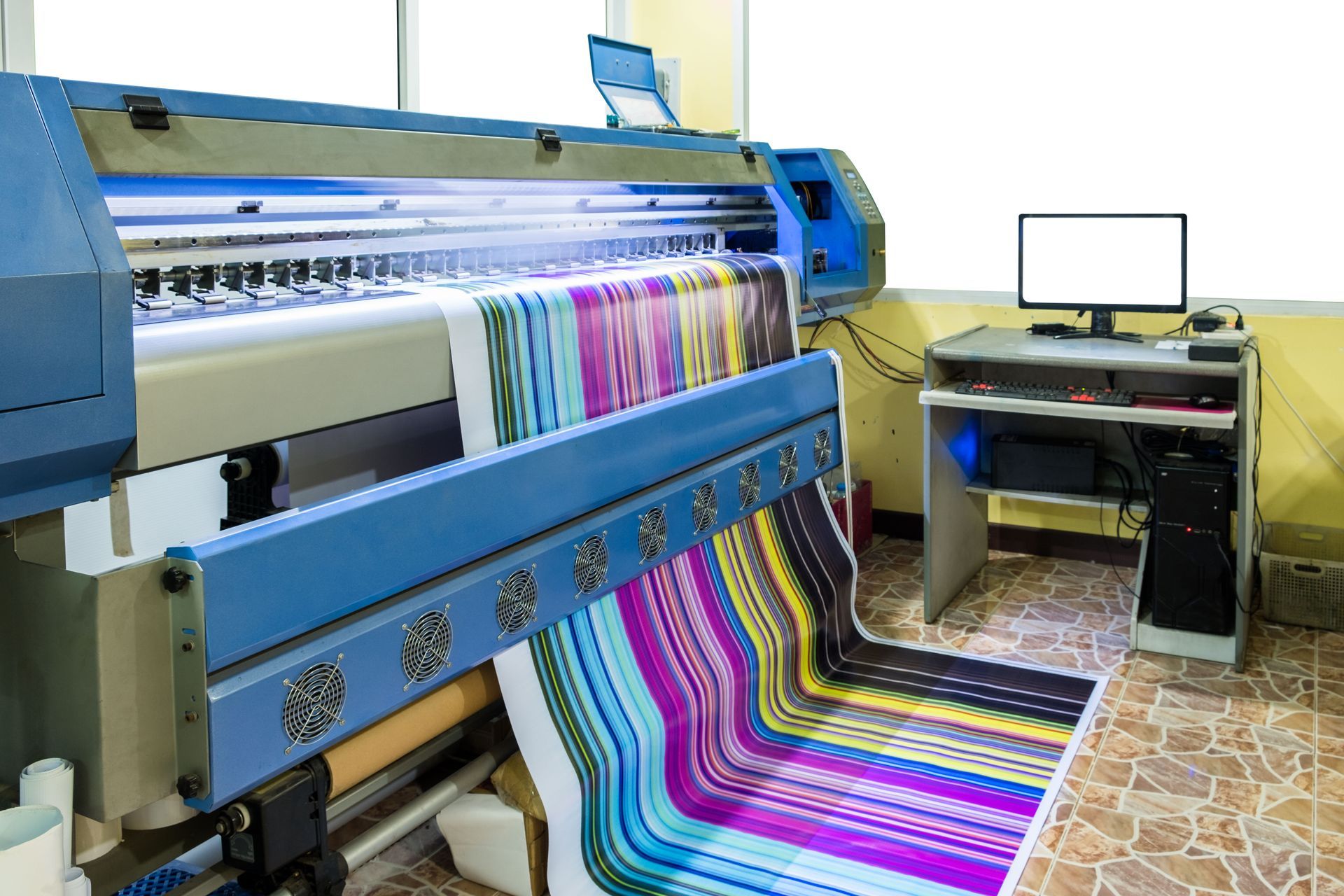
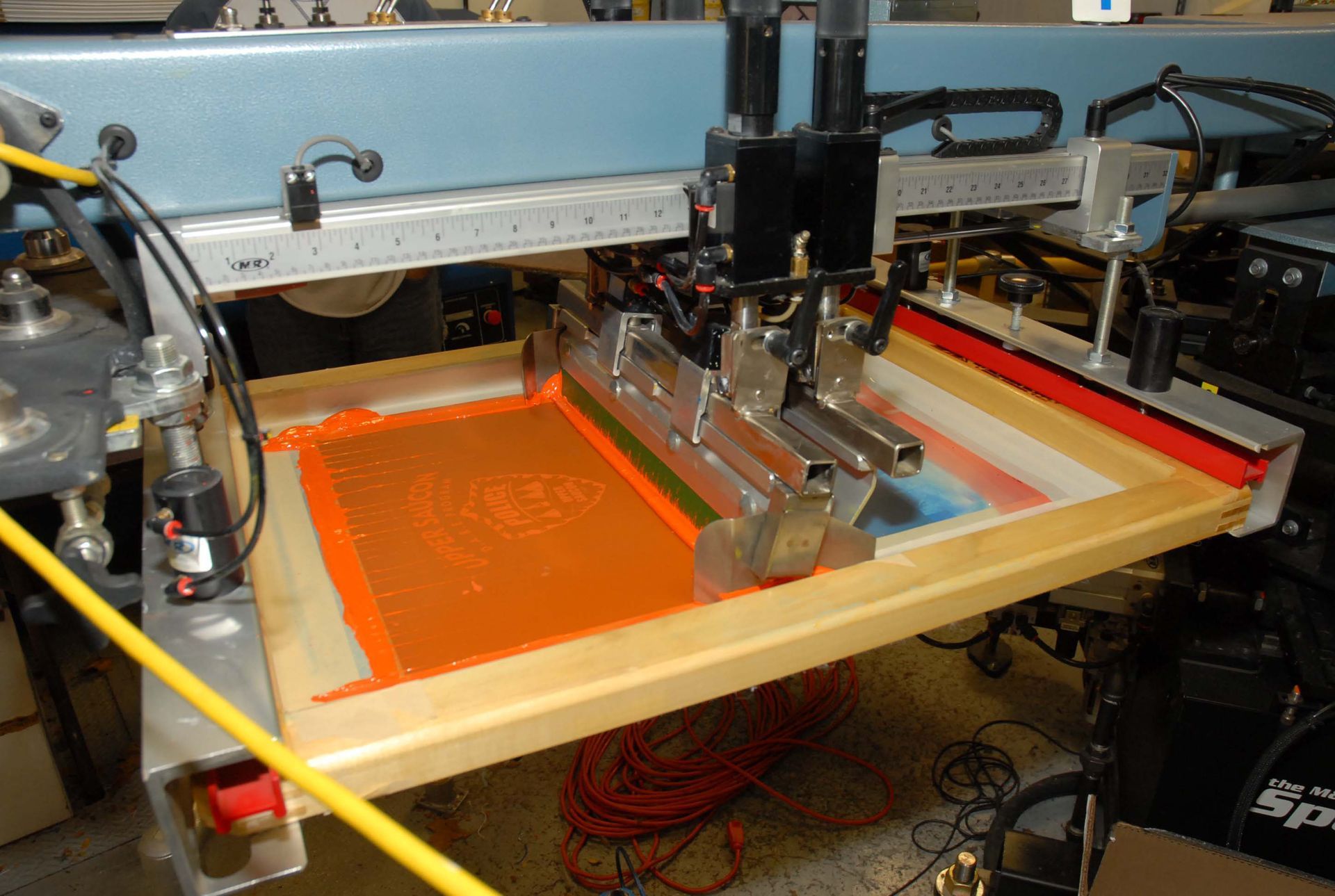
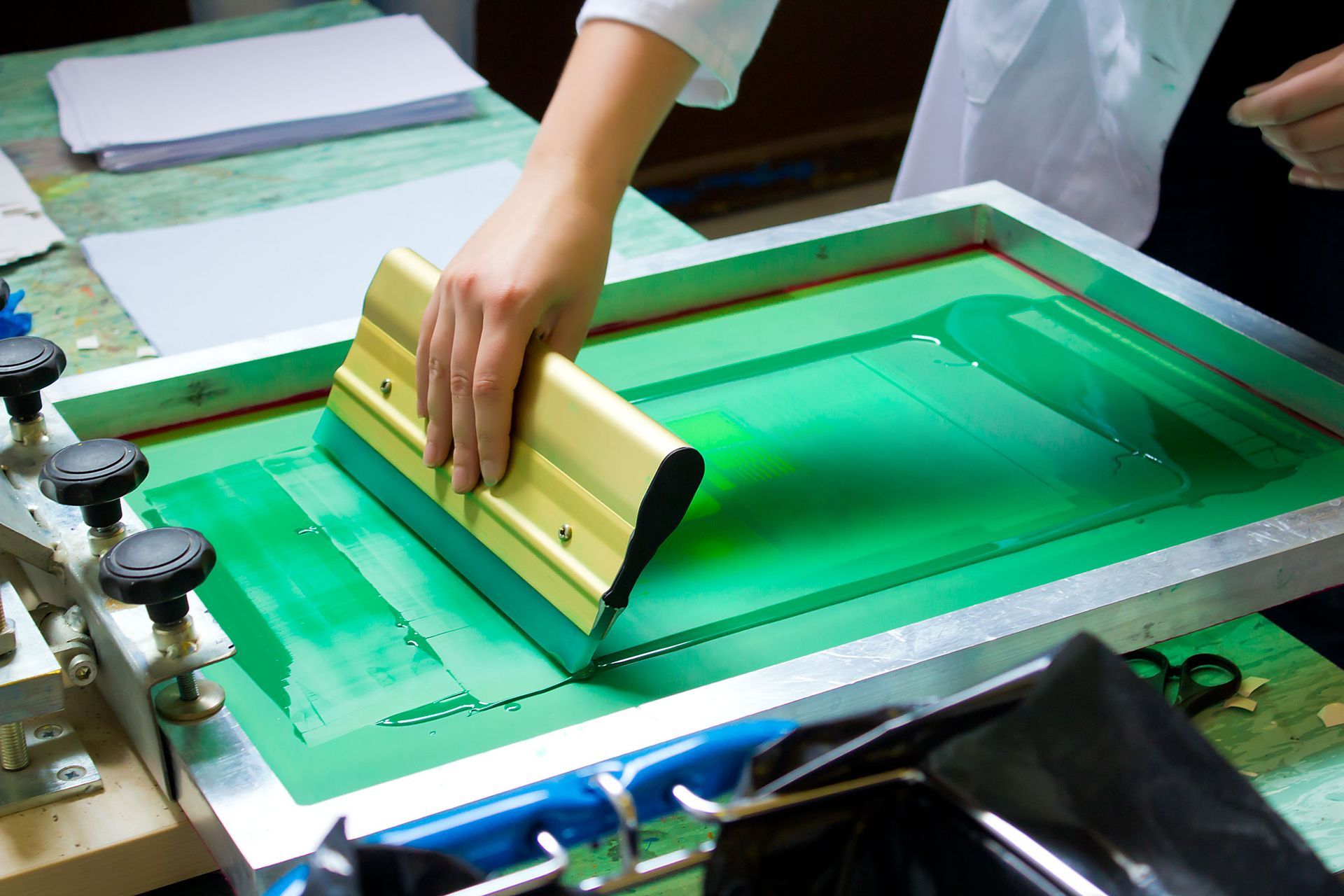
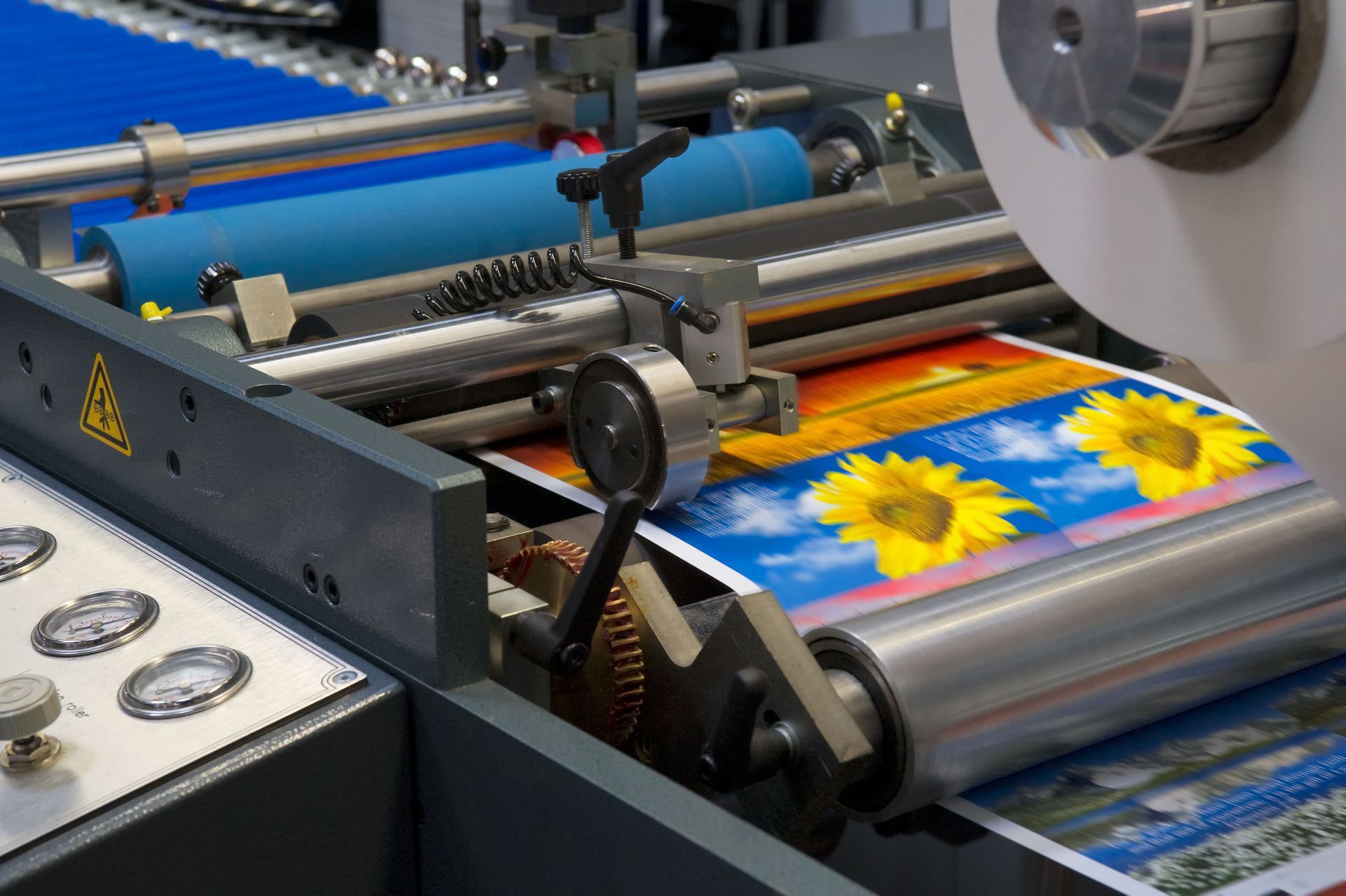
Cost-effectiveness adds to their appeal. Although production requires an initial investment, reusable merchandise can generate impressions over an extended period. According to Mordor Intelligence, commercial and promotional buyers generated 54.40% of the 2025 custom T-shirt printing revenue, rooted in uniform programs and event swag. This highlights the importance of branded apparel and promotional merchandise in business marketing strategies.
Increasing Brand Visibility and Recall
Repeated exposure is one of the strongest advantages of promotional merchandise. A branded water bottle used at work, a shirt worn at community events, or a tote bag carried during shopping can introduce a business to people who have never encountered its advertising. Each interaction creates another opportunity for recognition.
Personalization can make these items even more memorable. Adding a distinctive logo, recognizable colors, or a short message helps establish a consistent brand identity. Businesses should prioritize clear, attractive designs that remain easy to recognize without overwhelming the product.
Distribution also influences results. Giving fitness-related merchandise to gym attendees or useful office accessories to conference participants helps align custom promotional products with audience needs. Strategic placement increases the likelihood that recipients will use their items regularly.
Word-of-mouth marketing provides another benefit. When people enjoy a product, they may recommend the business or discuss the item with friends and colleagues. These organic conversations can extend a campaign's reach and introduce the brand to potential customers through trusted personal connections.
Adopting Sustainable and Innovative Designs
Consumer expectations continue to influence promotional merchandise trends. Many audiences appreciate products made with recycled materials, responsibly sourced fabrics, or reusable components. Choosing environmentally conscious options can demonstrate that a business considers sustainability when making purchasing decisions.
Technology also creates opportunities for more interactive marketing. Branded accessories featuring QR codes can direct customers to websites, product demonstrations, special offers, or event registration pages. This approach connects physical merchandise with digital campaigns, making it easier to measure engagement and encourage follow-up actions.
Personalization offers another way to improve relevance. Businesses can use audience research and customer feedback to select products that suit different interests and demographics. For example, a technology company might distribute practical charging accessories, while a hospitality business could choose travel organizers or reusable drinkware.
When developing custom promotional products, companies should balance originality with usability. Unusual designs may attract initial attention, but merchandise that performs its intended function is more likely to remain in circulation. Durable materials, comfortable designs, and useful features help maintain positive brand associations long after distribution.
Measuring Campaign Performance and Value
Effective marketing requires clear objectives and reliable ways to evaluate results. Before ordering merchandise, businesses should determine whether the campaign aims to increase awareness, generate leads, encourage repeat purchases, or strengthen customer relationships. Defining these goals makes it easier to select appropriate products and assess their contribution.
Useful performance indicators include website visits, QR code scans, promotional offer redemptions, event inquiries, and new customer registrations. Businesses can also track sales associated with campaign-specific discount codes. Comparing these results with production, customization, and distribution expenses helps establish whether the investment supports broader marketing objectives.
Customer feedback provides additional insight. Short surveys and conversations can reveal whether recipients found the merchandise attractive, practical, and relevant. Businesses can use this information to improve product selection, design, and distribution for future campaigns.
Quality should remain a priority when evaluating costs. Inexpensive items may seem attractive initially, but custom promotional products that break quickly or feel poorly made can undermine brand credibility. Choosing dependable merchandise helps businesses deliver a positive experience while maximizing opportunities for repeated exposure.
Building Lasting Customer Relationships
Promotional merchandise can support customer relationships throughout the buying journey. New prospects might receive branded items at trade shows, while existing customers could receive thoughtful gifts after completing purchases or reaching loyalty milestones. Employees and business partners may also appreciate merchandise that reinforces a shared organizational identity.
The psychological principle of reciprocity helps explain why thoughtful gifts can strengthen relationships. When recipients feel appreciated, they may become more receptive to future communications. However, promotional items should complement genuine customer service rather than substitute for it. A useful gift cannot compensate for poor service or an unreliable product.
Exclusivity can also increase perceived value. Limited-edition merchandise, event-specific designs, and carefully selected gifts may create a stronger sense of connection than generic giveaways. Nostalgic designs or locally inspired custom promotional products can make merchandise particularly meaningful when they reflect the audience's interests.
Consistency matters as well. Products should align with the company's values, visual identity, and communication style. A coherent approach helps customers recognize the brand across different interactions, reinforcing familiarity and trust. Over time, these positive experiences can encourage repeat business, referrals, and stronger customer loyalty.
Preparing for Future Marketing Opportunities
The future of promotional merchandise will likely involve greater personalization, sustainable materials, and stronger integration with digital marketing. Businesses can prepare by monitoring customer preferences and evaluating emerging product options rather than relying on the same giveaways year after year.
Interactive merchandise may become increasingly useful as companies seek measurable engagement. QR codes, personalized landing pages, and digital rewards can connect physical custom promotional products with online experiences. These features allow businesses to encourage specific actions while gathering useful campaign performance data.
Companies should also consider accessibility, product safety, and environmental claims when selecting merchandise. Products must meet applicable standards, and sustainability statements should be accurate and supportable. Responsible sourcing and transparent communication help protect brand reputation while building customer confidence.
Ultimately, the most effective campaigns begin with a clear understanding of the intended audience. Businesses that prioritize usefulness, thoughtful design, consistent branding, and measurable objectives are better positioned to make promotional merchandise a meaningful part of their marketing strategy.
Custom promotional products can deliver lasting marketing value by increasing brand visibility, creating positive customer experiences, and encouraging meaningful connections. Their effectiveness depends on selecting merchandise that audiences genuinely want, maintaining consistent branding, and measuring campaign results. When businesses combine practical products with thoughtful distribution and clear objectives, they can extend their reach beyond traditional advertising and strengthen relationships with customers.
If you are ready to explore merchandise that reflects your brand and marketing goals, contact Games People Play to discuss your promotional product needs. The right selection can help your business stand out at events, reward loyal customers, and create memorable experiences that keep your brand recognizable. With careful planning, quality products, and a strategy tailored to your audience, you can turn everyday merchandise into a valuable opportunity for long-term brand growth.