September 29, 2026
Custom-designed shirts have become an increasingly popular trend in fashion, driven by the desire for individuality and self-expression. Screen printing has played a transformative role in this shift, offering a reliable method for producing detailed and vibrant designs. By prioritizing quality, creativity, and accessibility, screen printing ensures that amazing shirts are within everyone's reach. Here, we'll explore the various facets of screen printing services that contribute to producing remarkable shirts and why this method remains a favorite in the industry. Join us as we delve into the intricacies of screen printing and its impact on fashion and personal expression.
The Foundation of Screen Printing
Screen printing has a rich history that spans centuries and various cultures, having been used in ancient China and Japan for intricate designs on fabric. It was not until the early 20th century that this method was industrialized, paving the way for mass production capabilities. The commercial adoption of screen printing was significant for the fashion industry, revolutionizing the creation of printed textiles. The technique's ability to produce vibrant and durable prints made it indispensable for creating fashion-forward designs. As an art form, screen printing continues to evolve, maintaining relevance in contemporary fashion trends.
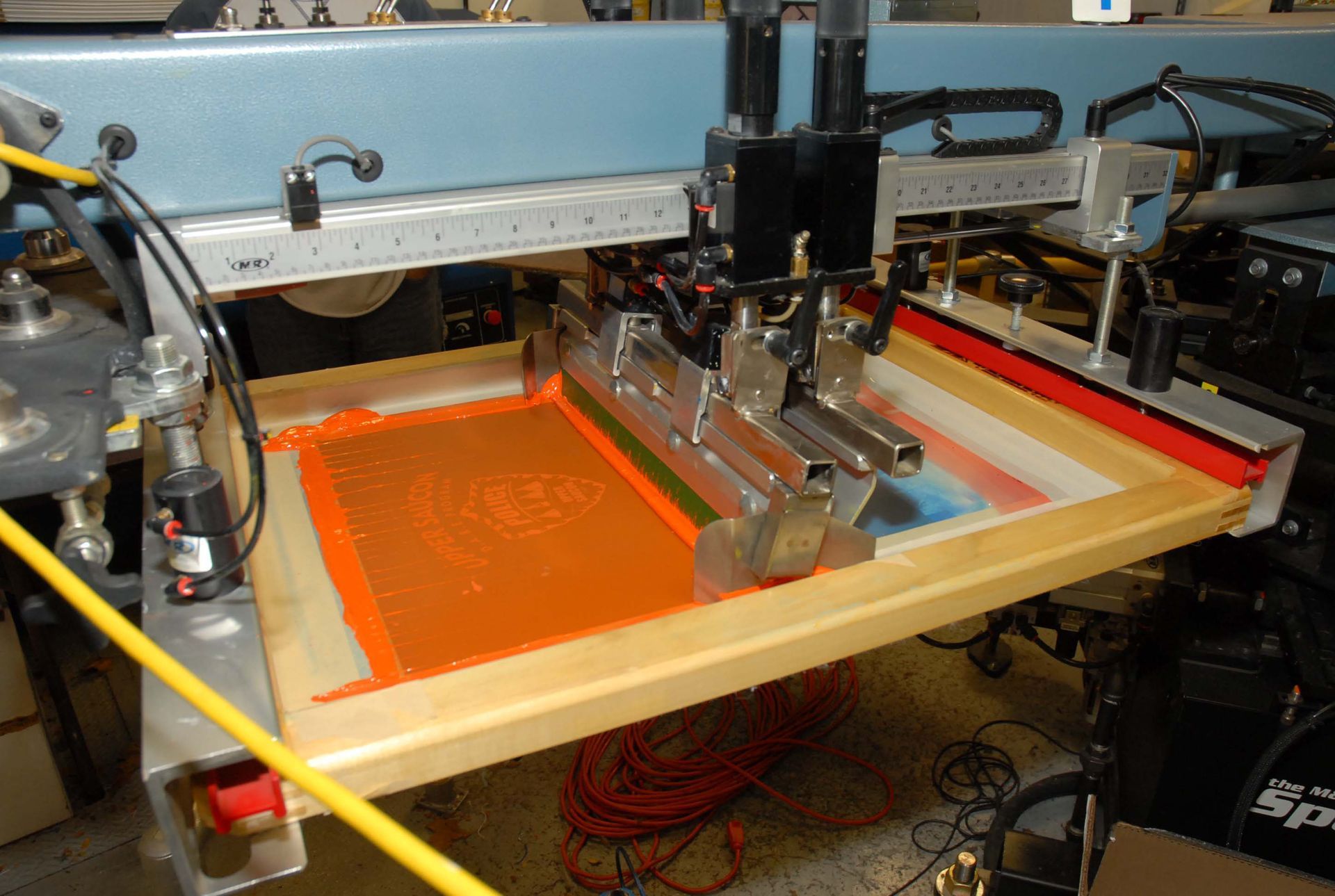
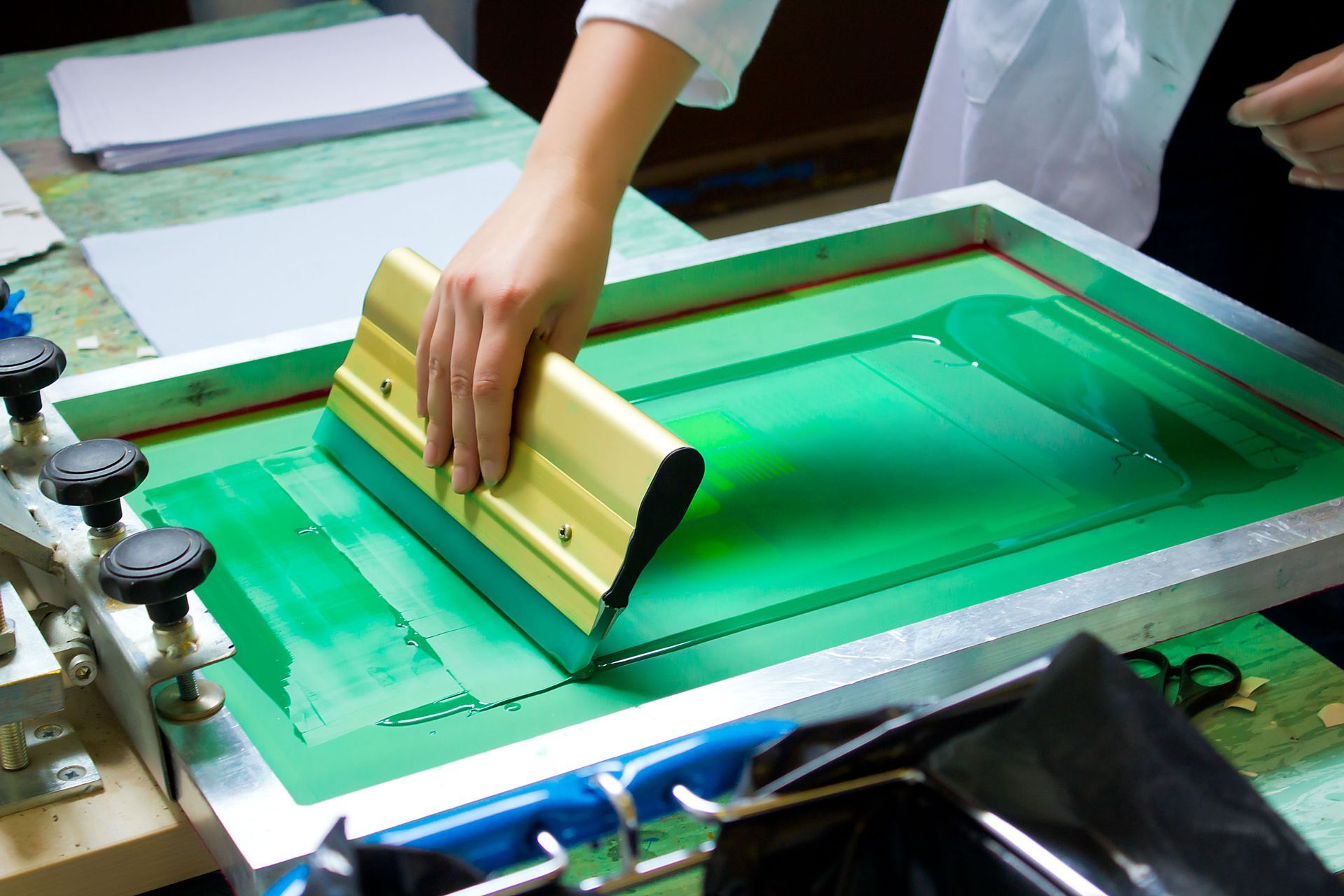
The screen printing process begins with creating a stencil, or screen, which is overlaid with fine mesh fabric to block out certain areas effectively. Ink is applied to the screen and pressed through the mesh onto the shirt fabric, forming the desired design. This process is repeated for each color, requiring precision to align the screens perfectly to create a cohesive print. The versatility of screen printing allows for various designs, from simple logos to complex patterns, making it a preferred option for fashion designers. Attention to detail during each stage is crucial to achieving high-quality results that meet industry standards.
Technological advancements in screen printing have further enhanced its efficiency and precision while expanding design possibilities. Innovations such as automated presses increase production capacity, making it feasible to complete large orders in shorter timeframes. Digital technology integration has streamlined design processes, enabling precise alignments and reducing setup times. These advancements make screen printing more accessible to companies of all sizes while maintaining high quality. With these ongoing improvements, screen printing remains a competitive player in the shirt printing industry, holding over a 56% market share according to Printful, affirming its ongoing dominance.
The Importance of Quality in Screen Printing
Durability is a critical measure of quality in screen printing, ensuring that designs withstand laundering and wear over time. The durability of a print often depends on the type of ink used and the printing technique, making selecting the right materials essential. High-quality inks combined with proper curing processes contribute to resilience, preventing cracks and fading. Techniques to test durability include wash tests and exposure to different environmental conditions, allowing printers to guarantee long-lasting prints. Quality control practices are integral to maintaining high production standards, ensuring each shirt retains its original charm for years.
Vibrant and sharp prints are hallmarks of premium screen printing services, emphasizing the importance of selecting the right ink and mesh count. High-quality inks known for their pigment concentration ensure vivid colors that capture attention when applied correctly. Achieving ink sharpness requires precision in screen preparation, ensuring clear edges and detailed designs are maintained. Skillful craftsmanship and advanced technology enable printers to replicate intricate artworks precisely, meeting clients' design expectations. Ink vibrancy, when combined with sharpness, creates visually pleasing prints that serve as a testament to the professionalism of screen printing techniques.
The choice of fabric significantly influences the final quality of screen-printed shirts, highlighting the need for thoughtful selection. Natural fibers such as cotton provide excellent absorbency and a comfortable feel, ideal for high-quality prints. Synthetics like polyester offer other benefits, including strength and wrinkle resistance, though they require specially formulated inks. Assessing fabric weight and weave helps determine its compatibility with screen printing, ensuring that prints are bold and durable. Thoughtful fabric selection ultimately guarantees customer satisfaction, establishing a shirt's premium quality and durability.
The Creative Freedom of Screen Printing
Screen printing offers unparalleled design flexibility, enabling creators to produce intricate and detailed images that captivate onlookers. The process accommodates an array of design styles, from minimalist line work to elaborate, lifelike renderings, making it a popular choice among artists. Advanced mesh screens can capture fine details with excellent sharpness, preserving the integrity of complex patterns. This flexibility encourages designers to experiment creatively, pushing the boundaries and developing unique shirts that resonate with individual and mass markets. Consequently, screen printing remains a preferred medium for artistic expression in apparel design.
One of the standout features of screen printing is its ability to incorporate multiple colors, enhancing a shirt's visual appeal and complexity. Despite the process requiring a separate screen for each color layer, it is efficient enough to produce rich, multi-tonal designs consistently. The interplay of colors can be harmonized smoothly, capturing gradients and color shifts that bring depth to the artwork. Precision in screen registration ensures each color aligns perfectly, maintaining the design's integrity with seamless transitions. Mastering color incorporation elevates screen-printed shirts to wearable art that celebrates rich visual diversity.
Screen printing provides extensive customization options, catering to both personal fashion statements and corporate branding needs. Its adaptability allows creations ranging from individual designs representing personal tastes or causes to bulk production of branded merchandise for businesses. Screen printing empowers designers to adjust every aspect, from color schemes to positioning, ensuring each shirt aligns with their specific vision. Businesses utilize these services to enhance brand presence through customized apparel that bears company logos or promotional messages, achieving targeted marketing goals. This level of customization ensures that screen-printed shirts serve as platforms for identity and engagement across diverse spheres.
Accessibility and Affordability of Screen Printing Services
Screen printing is acclaimed for its cost-effectiveness, particularly when producing large quantities of shirts, making it an attractive choice for businesses and organizations. The process benefits from economies of scale, whereby the setup costs are distributed over significant print runs, reducing the per-unit cost. Bulk orders thus become highly economical, which is advantageous for promotional campaigns, merchandising, or uniform production. The affordability of screen printing in large volumes allows companies to maximize their marketing budget without sacrificing print quality. With these cost-saving advantages, screen printing remains a preferred option for efficient mass apparel production.
Small businesses greatly benefit from the accessibility of screen printing, enabling them to produce custom apparel that strengthens brand identity. The availability of local screen printing services or online platforms has democratized access, allowing even start-ups to leverage professional-grade printing capabilities. By ordering modestly-sized print runs, entrepreneurs can introduce branded merchandise without the need for large initial investments. Moreover, screen printing's range of options affords flexibility in design inspirations, letting small businesses tailor their offerings to specific customer segments. Ultimately, screen printing empowers small enterprises to compete by outfitting their clientele in distinct branded apparel.
Technological advances in screen printing technology have significantly lowered costs, making it more feasible for a broader range of customers. Automation and precision in the printing process have reduced labor requirements and minimized errors, driving down operational expenses. Digital enhancements that streamline design preparations further contribute to declining costs, reducing the need for extensive setup times. By curbing resource consumption, these innovations translate into lower production costs, which are passed along as savings to clients. The integration of new technology ensures that screen printing remains competitive and financially viable, enhancing its appeal across different market segments.
Screen printing continues to stand out as a versatile and accessible way to create high-quality custom apparel. From durable, vibrant prints to extensive design and color options, the process gives individuals, businesses, and organizations the flexibility to bring their ideas to life. Advances in technology have also made screen printing more efficient and affordable, helping make customized shirts available for a wide range of needs and budgets. With its combination of quality, creativity, and practicality, screen printing remains a valuable option for producing shirts that make a lasting impression. For
screen printing services you'll love, contact Games People Play today.